- by Sampson Adedeji ,
- Jul 20, 2026

Explained: List Of Players, Officials and Delegations Affected by World Cup Visa Controversies
-
- by Niyi Busari,
- Jun 17, 2026
- in World Cup
Somali Referee Omar Abdulkadir Artan Denied Entry
Explained: List Of Players, Officials and Delegations Affected by World Cup Visa Controversies
By Admin
The 2026 FIFA World Cup has been accompanied by a series of visa disputes, delayed travel approvals and entry restrictions involving players, referees and team officials, prompting concerns about the impact of immigration policies on the tournament, BSNSports.com.ng reports.
Several high-profile cases have attracted attention since the competition began, with football authorities and stakeholders raising questions about whether administrative hurdles could affect the smooth operation of the global showpiece.
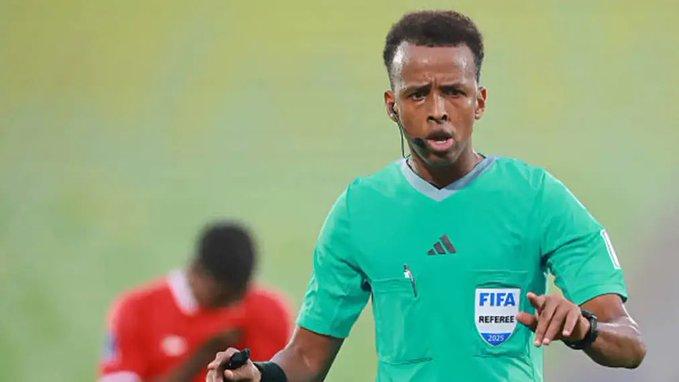
Somali Referee Omar Abdulkadir Artan Denied Entry
Among the most widely discussed incidents is the case of Somali referee Omar Abdulkadir Artan, who was reportedly denied entry into the United States despite possessing a valid visa.
Artan, regarded as one of Africa’s leading match officials, had been selected by FIFA to officiate at the tournament and was in line to become the first Somali referee to oversee a men’s World Cup match.
His exclusion generated criticism from football stakeholders and human rights advocates, while FIFA later confirmed that he would not be able to participate in the competition.
Iranian Delegation Faces Significant Restrictions
Iran has reportedly been among the countries most affected by visa-related challenges, with multiple officials and support staff members encountering entry restrictions or delays.
The situation forced adjustments to the team’s logistics, including changes to travel arrangements and operational planning during the tournament. Iranian officials have argued that the restrictions disrupted preparations and affected the team's overall campaign.
Federation President Denied Visa Ahead of Draw
The visa challenges reportedly began before the World Cup itself. Mehdi Taj, president of the Iranian Football Federation, was denied a visa to attend the World Cup draw in the United States in late 2025.
The development sparked strong reactions from Iranian football authorities, who expressed concerns over the implications for international sporting participation before the matter was eventually addressed.
Thomas Partey Faces Canadian Entry Dispute
Ghana midfielder Thomas Partey was also drawn into a visa-related controversy after reports emerged that Canadian authorities denied him entry for matches scheduled to take place in Canada.
The Ghana Football Association is said to have explored both diplomatic and legal channels in an effort to resolve the matter, making it one of the most closely watched off-field stories involving the Black Stars.
Breel Embolo’s Arrival Delayed
Switzerland forward Breel Embolo reportedly experienced visa complications that delayed his arrival at the national team's training base.
Although the striker ultimately secured the necessary travel clearance, the delay highlighted the broader administrative challenges faced by some participants during the tournament.
Iraqi Delegation Encounters Travel Difficulties
Iraq’s preparations were also affected by travel and documentation challenges linked to the suspension of U.S. consular services in the country.
Several members of the Iraqi delegation reportedly faced difficulties obtaining the required travel documents, prompting football authorities to seek alternative arrangements to facilitate their participation.
Growing Concerns Over Tournament Logistics
The cases have intensified scrutiny of immigration procedures surrounding the 2026 FIFA World Cup, with critics arguing that visa and travel restrictions risk undermining the inclusiveness and accessibility of international sport.
While FIFA and relevant authorities continue to work with participating nations to address outstanding issues, the controversy has emerged as one of the tournament’s most significant off-field talking points.

you may also read


- by Niyi Busari ,
- Jul 20, 2026
Mbappe Makes World Cup History With Second Golden Boot As ...
- by Lastborn ,
- Jul 20, 2026
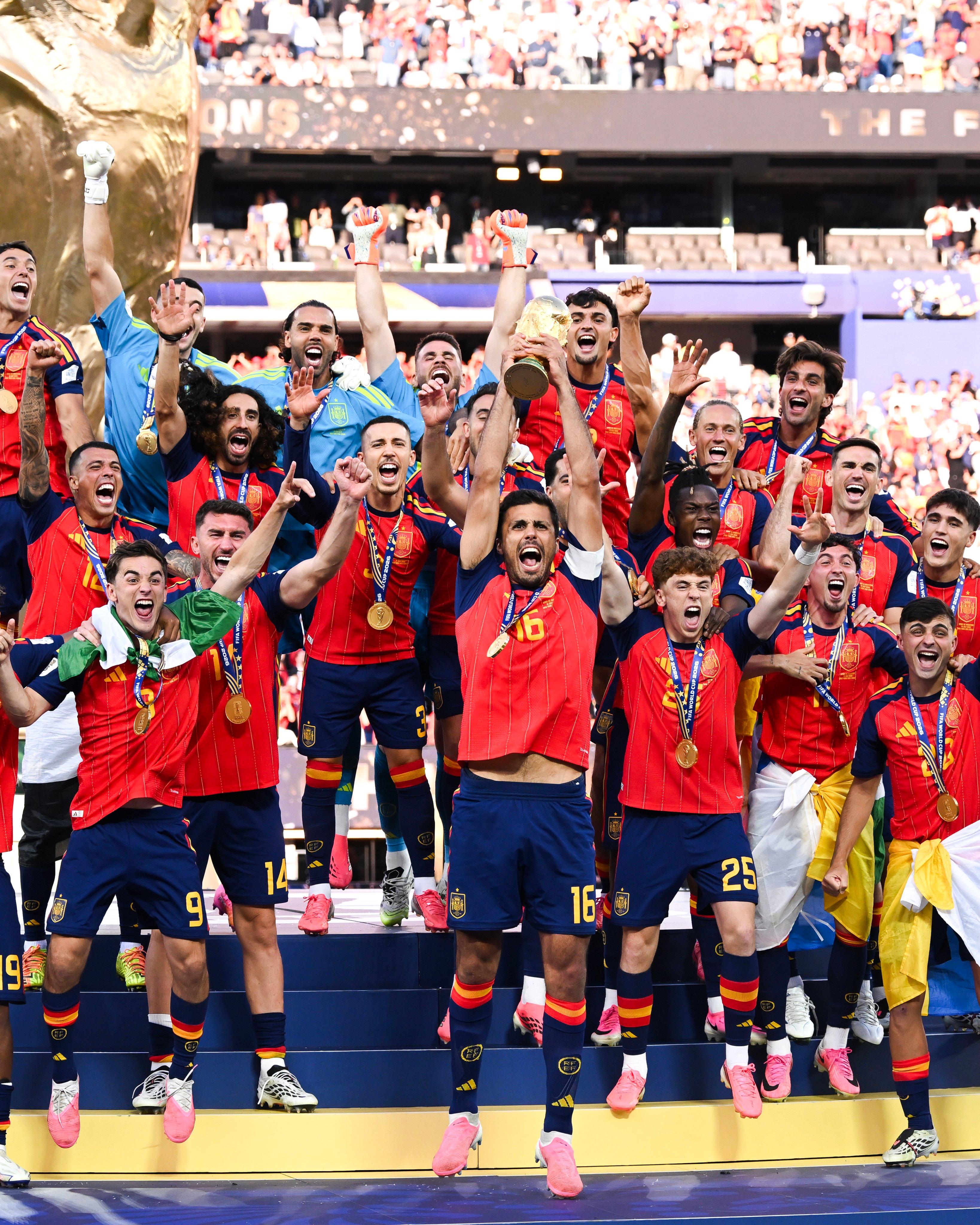
Spain End Argentina's Reign To Lift 2026 World Cup Trophy

- by Niyi Busari ,
- Jul 20, 2026
Explained: How Six Nations Already Qualified For 2030 World Cup
- by Niyi Busari ,
- Jul 19, 2026
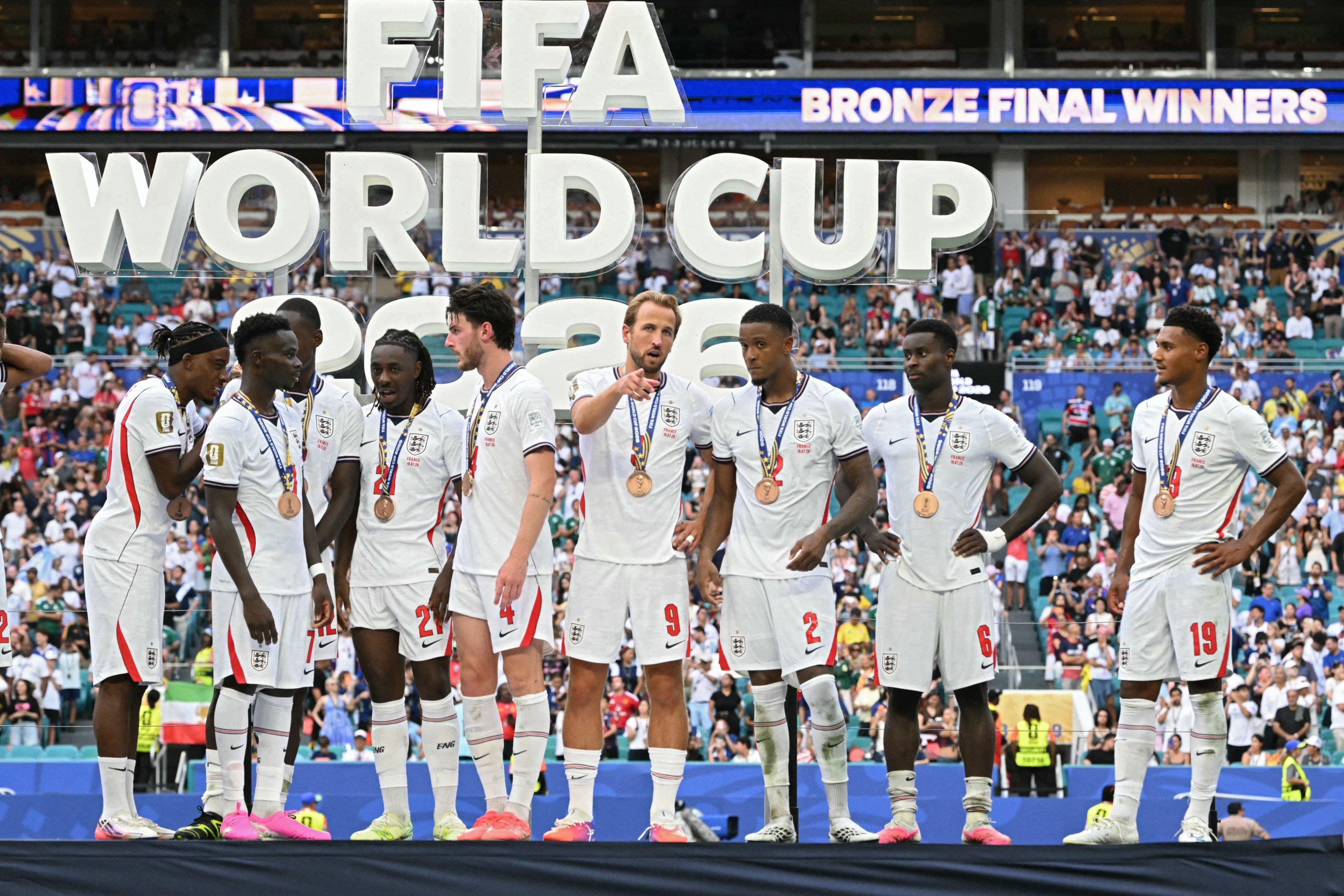
Mbappé Breaks World Cup Goal Records As England Claim Third ...
- by Niyi Busari ,
- Jul 18, 2026
Burna Boy To Perform At Historic 2026 World Cup Final ...

- by Sampson Adedeji ,
- Jul 17, 2026
FIFA Introduces Championship Rings For 2026 World Cup Winners

- by Sampson Adedeji ,
- Jul 16, 2026
0 Comments:
Leave a Reply