- by Niyi Busari ,
- Aug 27, 2026
.jpg.jpeg)
Gusau Resigns As NFF Crisis Deepens, Paving Way for Football Reset
-
- by Niyi Busari,
- Aug 27, 2026
- in Football Politics
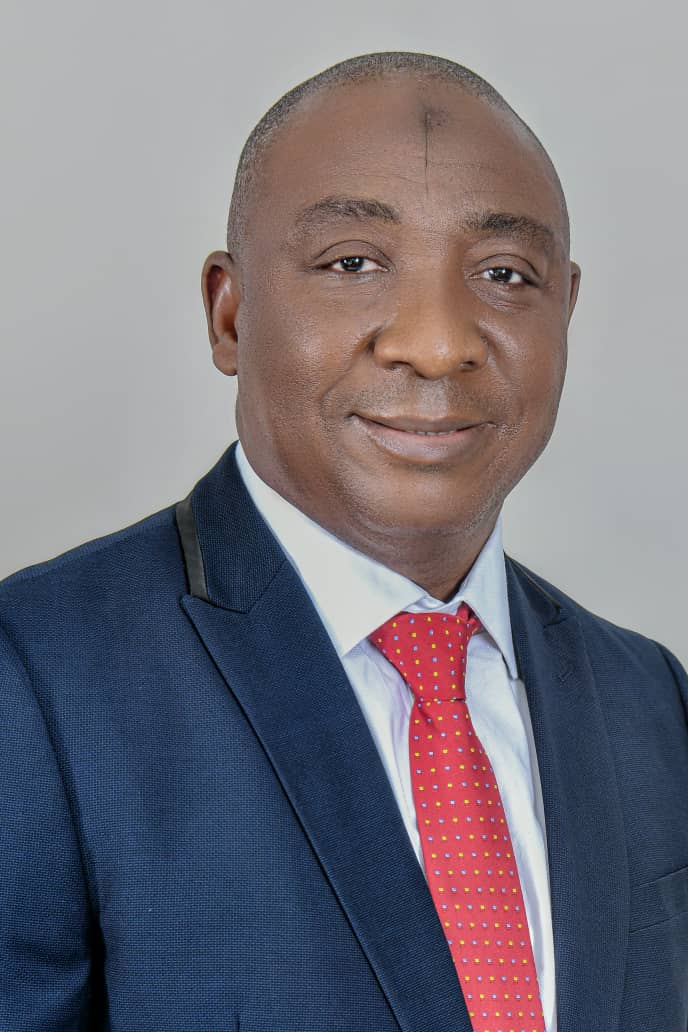
Former NFF President Ibrahim Gusau
Gusau Resigns As NFF Crisis Deepens, Paving Way for Football Reset
By Niyi Busari
The President of the Nigeria Football Federation (NFF), Ibrahim Musa Gusau, has resigned from office alongside other members of the federation’s Executive Committee, bringing his administration to an abrupt end amid mounting pressure over Nigeria’s recent poor performances in international football.
The resignation comes barely a month before the NFF’s elective congress, which had initially been scheduled for September 27 in Lafia, Nasarawa State. However, the National Sports Commission (NSC) had already moved to halt the electoral process and was considering the establishment of a normalisation committee to oversee Nigerian football and prepare the ground for a fresh election.
The development follows weeks of intense criticism of the Gusau-led administration, with stakeholders increasingly questioning its management of the country’s national teams and the broader direction of Nigerian football.
Growing pressure on Gusau
Pressure on Gusau intensified following a series of disappointing results involving Nigeria’s senior and youth national teams.
The Super Eagles failed to qualify for the 2026 FIFA World Cup in the United States, Canada and Mexico, meaning Nigeria missed football’s biggest tournament for a second consecutive edition. The failure was particularly damaging because Africa had been allocated an expanded number of places for the tournament.
The Super Falcons’ failure to qualify for the 2027 FIFA Women’s World Cup further deepened the crisis.
Nigeria, who had participated in every edition of the Women’s World Cup since the competition began in 1991, saw that remarkable record come to an end after losing 2–1 to South Africa in the African play-off in Morocco.
The Falcons had earlier been eliminated by Cameroon in the quarter-finals of the 2026 Women’s Africa Cup of Nations, forcing them into the play-off route for the World Cup.
Calls for change
The setbacks triggered widespread calls for the NFF leadership to resign or make way for a new administration.
The NFF itself had acknowledged the seriousness of the situation, with Gusau inaugurating a fact-finding committee in August to investigate the causes of the national teams’ poor performances. The committee was given two weeks to submit its report.
At the same time, the NSC began consultations on a broader restructuring of Nigerian football.
Reports that the Federal Government had directly ordered the NFF board to resign were, however, denied by NSC Director-General Bukola Olopade on August 20. The NSC said consultations were ongoing on how best to re-engineer Nigerian football.
The situation subsequently escalated, with reports indicating that several members of the NFF Executive Committee were prepared to resign. By August 25, reports suggested that as many as nine board members were considering stepping down, potentially paving the way for a normalisation committee.
What happens next?
Gusau’s resignation is expected to accelerate the restructuring process.
The proposed normalisation arrangement is expected to oversee the affairs of the NFF temporarily while addressing outstanding governance issues and preparing the framework for a new electoral process. Reports have suggested a possible three-month period, although the final composition, mandate and timeline of any committee remain subject to official decisions.
The September 27 elective congress had originally been confirmed by the NFF after the federation moved it forward by 24 hours to avoid a clash with the Super Eagles’ 2027 Africa Cup of Nations qualifier against Madagascar on September 25.
However, the NSC’s subsequent intervention has thrown that timetable into uncertainty.
The immediate challenge for Nigerian football will therefore be to establish a credible transitional arrangement that can restore stability while ensuring that any new electoral process is transparent, inclusive and capable of producing an administration with the technical and managerial capacity to rebuild the game.
For Nigeria, the stakes go beyond replacing one set of administrators with another. The country faces the need to strengthen its domestic competitions, improve youth development, establish greater continuity in national-team management and restore confidence among players, coaches, sponsors and supporters.
Gusau, who was elected NFF president in September 2022, leaves office at a particularly difficult moment for Nigerian football. His resignation now opens a new chapter — but the success of that transition will ultimately depend on whether the authorities use the opportunity for genuine institutional reform rather than simply replacing personalities.
The coming weeks are therefore likely to determine not only who eventually leads the NFF, but also the direction of Nigerian football for years to come.

you may also read
- by Admin ,
- Aug 26, 2026
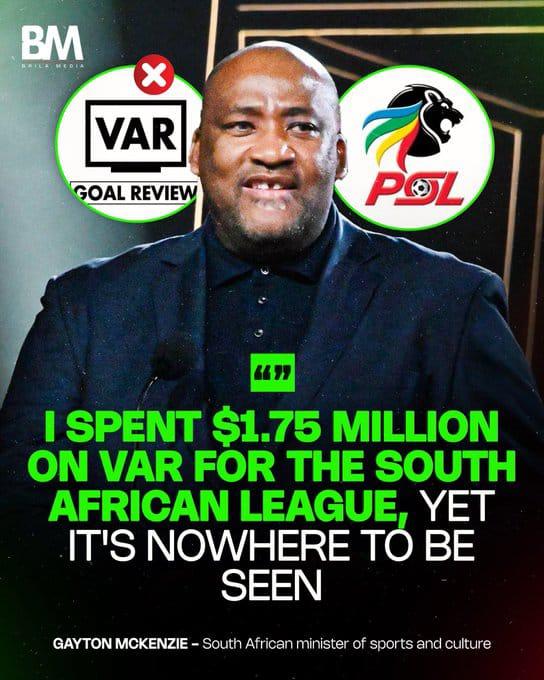
Sports Minister, SAFA Clash Over $1.75 Million VAR Funding
- by Niyi Busari ,
- Aug 25, 2026
Benin Football Federation Get New President
- by Admin ,
- Aug 23, 2026
NFF President Congratulates Yari on Appointment as Tinubu Campaign DG
- by Admin ,
- Aug 18, 2026
Gusau’s NFF Leadership Earns Blueprint Excellent Performance Award
- by Lastborn ,
- Aug 17, 2026
0 Comments:
Leave a Reply