- by Sampson Adedeji ,
- Aug 15, 2026
.jpg.jpeg)
Is the 48-Team World Cup Hurting Football Quality?
-

- by Niyi Busari,
- May 22, 2026
- in World Cup
null
Summary: The expansion to a 48-team World Cup aims to increase global football representation and commercial opportunities. While critics argue this may dilute match quality, supporters believe it provides essential growth for developing nations. The tournament balance between elite competition and wider participation remains a central debate.
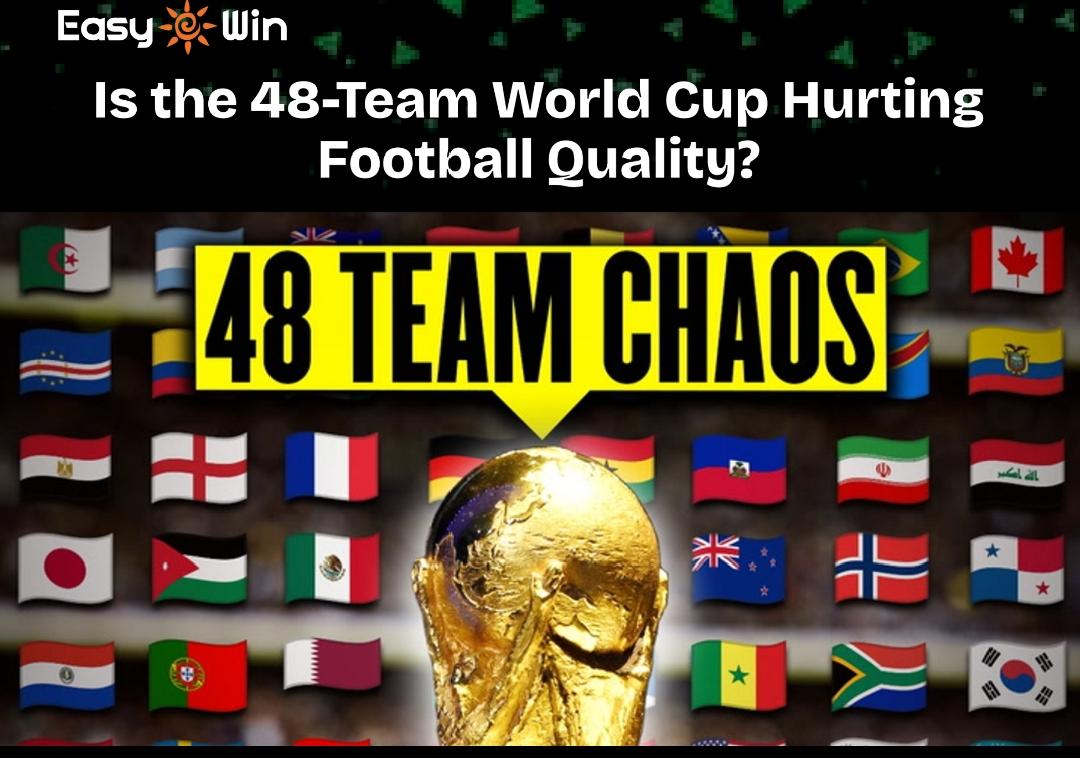
As the football world prepares for the expanded 2026 FIFA World Cup, one debate continues to divide fans globally: is the new 48-team World Cup hurting football quality? For the first time in history, the tournament will feature 48 nations instead of the traditional 32, giving more countries the opportunity to compete on football’s biggest stage.
Supporters of the expansion believe the new format will increase global representation and create opportunities for smaller football nations to experience elite international competition. Countries that previously struggled to qualify now have a realistic path to the World Cup, especially across Africa, Asia, and North America.
However, critics argue that increasing the number of teams could reduce the overall quality of matches during the early stages of the tournament. Some football fans believe the wider format may create more one-sided games, lower tactical intensity, and reduce the exclusivity that once made World Cup qualification extremely difficult.
The conversation has grown stronger following surprising qualification results across several continents. Traditional football powers have faced unexpected challenges, while emerging football nations continue closing the competitive gap. For many supporters, the 48-team format now represents a major shift in how international football will evolve over the next decade.
Why Did FIFA Expand the World Cup Format?
FIFA introduced the 48-team structure to grow football globally and increase participation across different regions. The expansion also creates more commercial opportunities, additional fixtures, larger audiences, and greater international visibility for developing football nations. For Africa, the new format significantly increased qualification slots, allowing more countries to compete at the highest level. Nations like Morocco, Senegal, Ghana, Ivory Coast, and South Africa are expected to benefit from the broader tournament structure. At the same time, football analysts continue debating whether expanding the competition could eventually affect overall tournament quality, especially during the group stages where weaker teams may struggle against elite football nations.
What Should Football Fans Expect From the World Cup 2026?
Despite the ongoing debate, excitement around World Cup 2026 remains massive. Fans are expected to follow major fixtures, rising stars, transfer conversations, and title contenders throughout the tournament. From Kylian Mbappé and Jude Bellingham to Africa’s biggest football talents, the competition is already shaping up to become one of the most discussed sporting events globally.
As World Cup 2026 draws global attention, football fans across Nigeria will continue following every major fixture, surprise result, and tournament storyline. Easywin Nigeria gives fans a smoother way to stay involved with real-time match action, competitive football markets, quick withdrawals, cashback benefits, and a mobile-friendly experience built for nonstop football entertainment. From backing tournament favorites to supporting rising underdog nations, Easywin Nigeria keeps the World Cup excitement active from the opening match to the final whistle.

you may also read
- by Sampson Adedeji ,
- Jul 20, 2026
World Cup 2026: Football Won At Last – Egypt Coach ...
- by Niyi Busari ,
- Jul 20, 2026
Mbappe Makes World Cup History With Second Golden Boot As ...
- by Lastborn ,
- Jul 20, 2026
Spain End Argentina's Reign To Lift 2026 World Cup Trophy
- by Niyi Busari ,
- Jul 20, 2026
Explained: How Six Nations Already Qualified For 2030 World Cup
- by Niyi Busari ,
- Jul 19, 2026
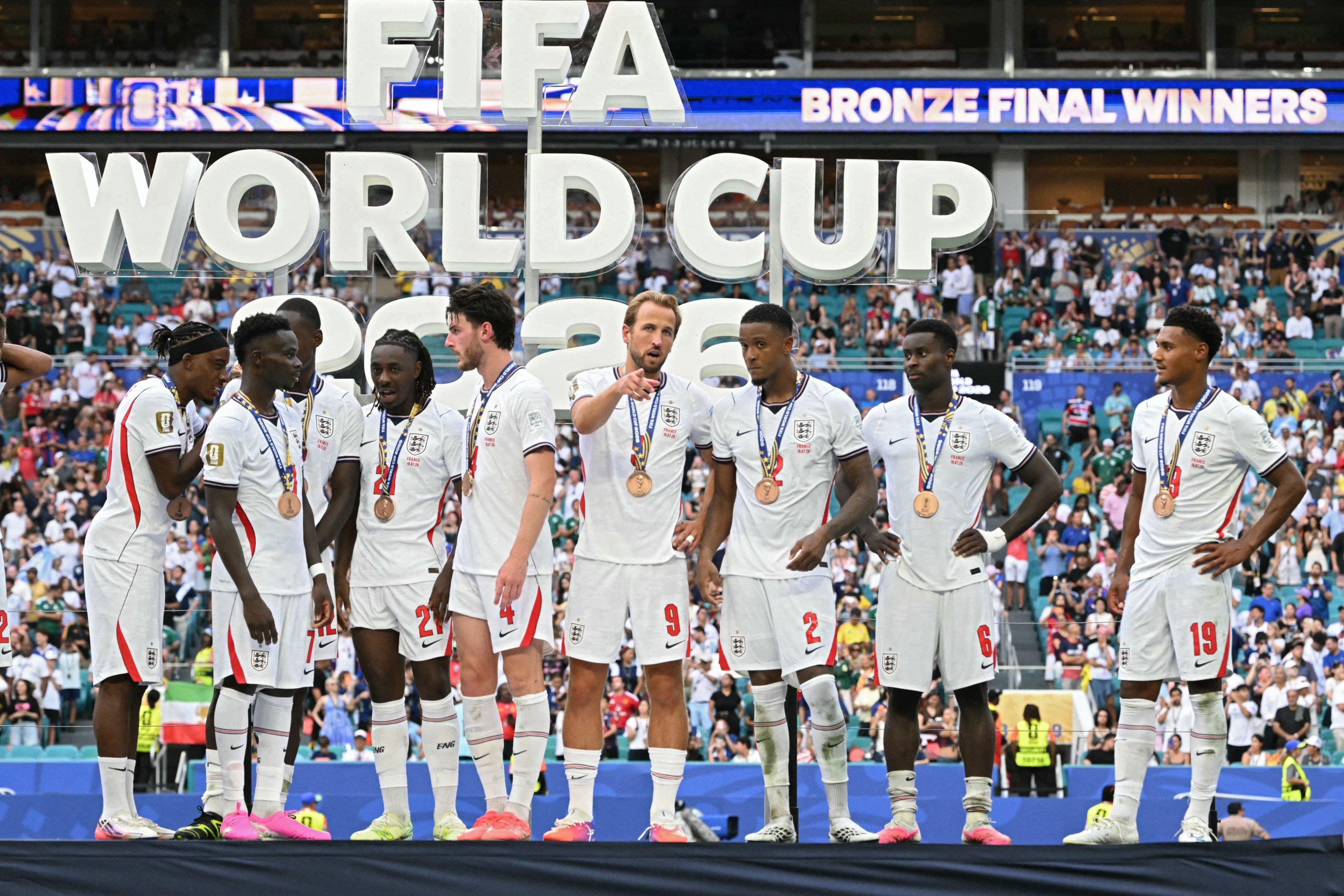
Mbappé Breaks World Cup Goal Records As England Claim Third ...
- by Niyi Busari ,
- Jul 18, 2026
Burna Boy To Perform At Historic 2026 World Cup Final ...

- by Sampson Adedeji ,
- Jul 17, 2026
0 Comments:
Leave a Reply